The Distance Between Freedom and Justice
Juneteenth, Puerto Rico, and the Practice of Liberation

Liberation is a verb.
It is something we practice. Something we defend. Something we build every day, even within systems designed to limit our humanity.
We practice liberation when we organize. We practice liberation when we care for one another. We practice liberation when we refuse to believe that our struggles exist in isolation. And we move closer to freedom when we stand in solidarity with other people fighting for their dignity.
That is why we cannot celebrate liberation in one place while ignoring oppression in another.
From Gaza to Puerto Rico. From the struggles of Black communities in the United States to the struggles of Indigenous and colonized peoples around the world.
We cannot oppose colonialism while remaining silent about racial injustice. Nor can we speak about racial justice while ignoring the realities faced by people living under colonial domination. We cannot talk about dignity while accepting systems that deny entire communities access to basic necessities like water, housing, healthcare, and safety.
Today, Juneteenth is celebrated across the United States.
Juneteenth commemorates June 19, 1865, when enslaved Black people in Texas were finally informed that they were free. But the story runs deeper than that. More than two years after the Emancipation Proclamation, Texas continued to deny rights that already belonged to Black people. It took federal intervention to enforce those rights.
Juneteenth reminds us of something important:
Freedom does not exist simply because it is declared. Freedom is fought for, exercised and defended.
And while Juneteenth is often discussed as an American holiday, the systems that made it necessary were never confined to a single place. Certainly not within a US colony.
Slavery, colonialism, and empire were never separate projects. They were built together through extraction, exploitation, and racial hierarchy. The wealth of empires was built on stolen labor, stolen land, and the belief that some lives were worth more than others.
Those structures did not disappear. They continue to shape the world we live in today.
Here in Puerto Rico, we are living through crisis after crisis.
A water crisis. An energy crisis. A housing crisis. A healthcare crisis. An environmental crisis.
Too often these are presented as separate problems. But they are not.
They all force us to confront the same questions:
Who holds power? Who controls resources? Who bears the burden when systems fail?
And who is considered expendable?
For more than a century, Puerto Rico has been denied even the most basic acknowledgment of what it is: a colony.
A place where too many decisions are made elsewhere. A place where land and natural resources are treated as commodities. A place where billionaires are welcomed while working families struggle to remain.
A place where people are expected to endure conditions that would be considered unacceptable elsewhere.
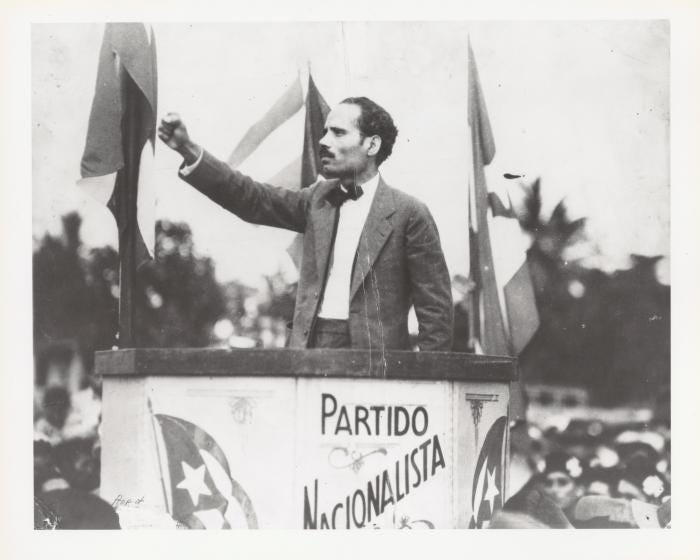
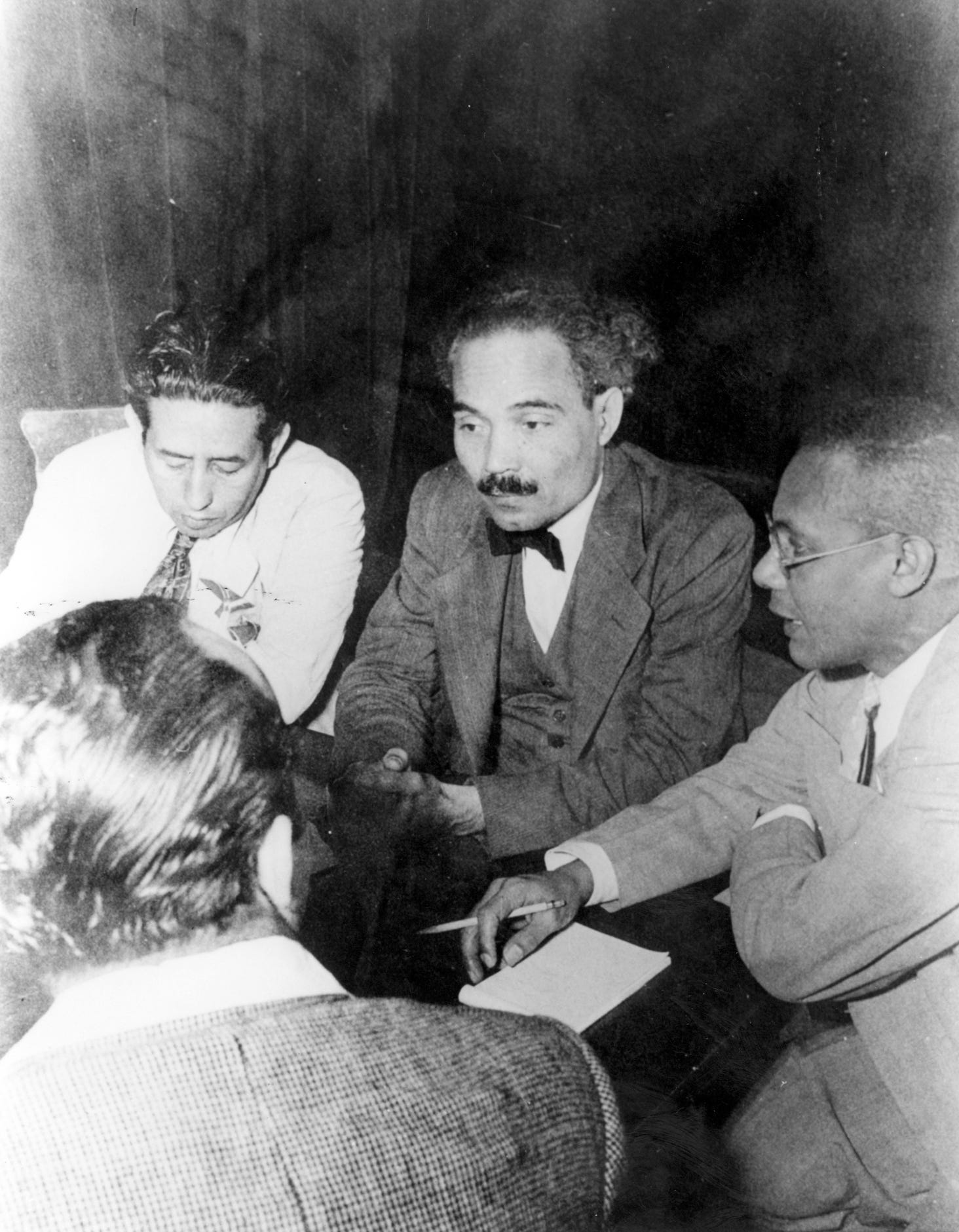
As we organize and respond to these crises in our communities, I have also been thinking about a figure I recently had the honor of helping bring to the screen through the short film Mataron a Pedro.
Pedro Albizu Campos.
Pedro and his legacy cannot be reduced to a chapter in a history book.
The life he lived was extraordinary.
Born in Ponce, Pedro Albizu Campos went on to study at Harvard, where he completed studies in literature, philosophy, military science, and law. He became one of the most accomplished Puerto Rican students of his generation.
While living in the United States, he also witnessed racism firsthand. He served in the U.S. military during World War I and experienced the reality of a segregated institution. As a Black Puerto Rican man, he saw how racial hierarchy operated within an empire that spoke of democracy while practicing discrimination.
He also faced racial prejudice during his years at Harvard.
And perhaps one of the lesser-known aspects of Pedro’s life is that he understood struggles for liberation as interconnected. During his years in the United States, he supported the Irish struggle for independence and developed relationships with Irish nationalist leaders. He believed that colonized peoples could learn from one another’s movements and victories.
That international vision feels especially relevant today. Because while Pedro’s story belongs to Puerto Rico, the questions he asked belong to all of us.
What does freedom actually mean? What does self-determination look like? Who gets to decide the future of a people?
And what responsibility do we have when those rights are denied to others?
Juneteenth invites us to sit with those questions. Not because every struggle is identical.
They are not.
But because solidarity asks us to recognize that liberation is connected. The struggle for Black freedom did not end in 1865. The struggle against colonialism did not end in 1898.
The struggle for dignity continues today. From Texas to Puerto Rico.
And it continues anywhere people are told they must accept less than their full humanity.
If we are serious about liberation, then we must learn to recognize those connections. Because freedom that belongs only to some people is not freedom at all.
And because when communities struggle together, they stand a better chance of winning together.
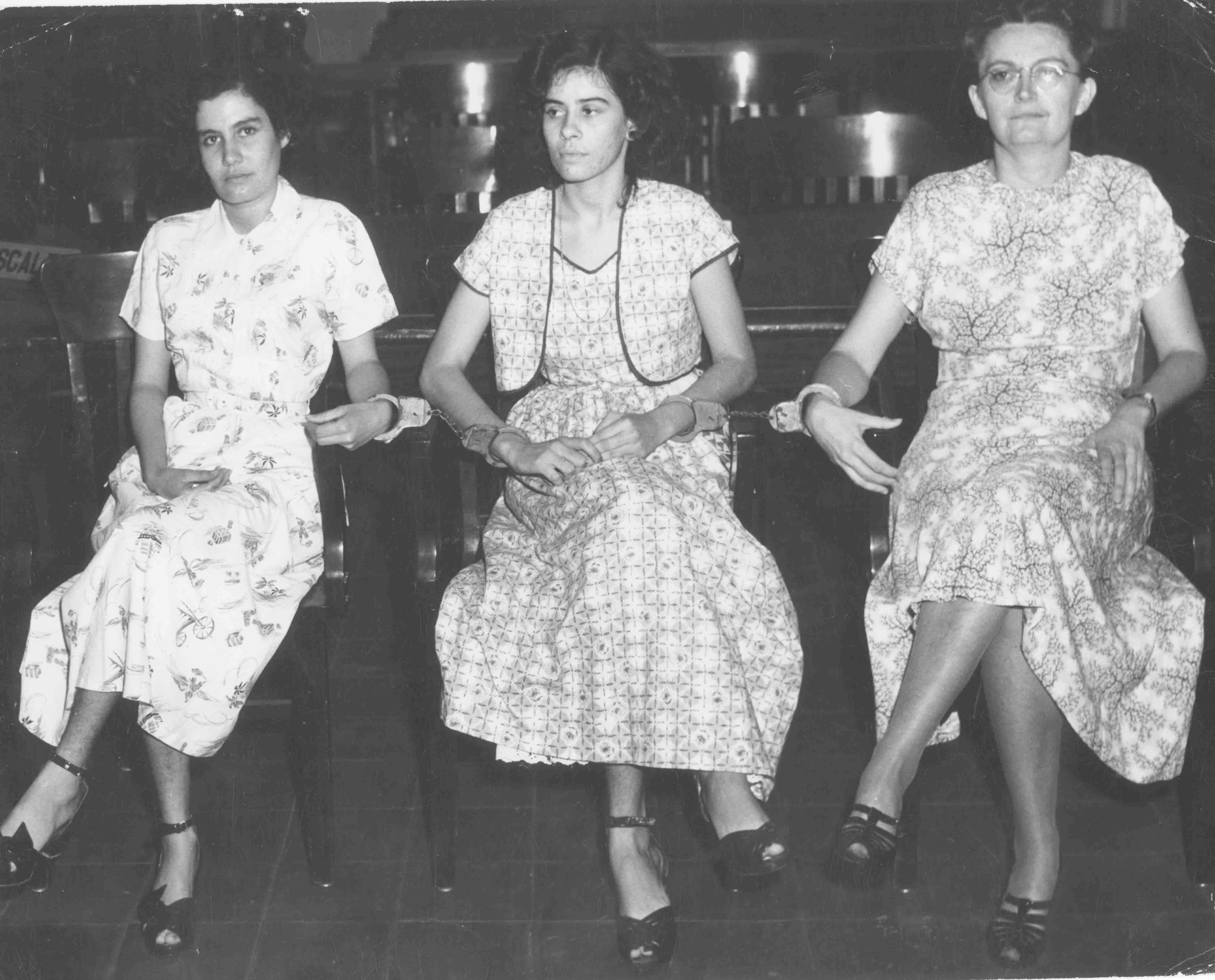
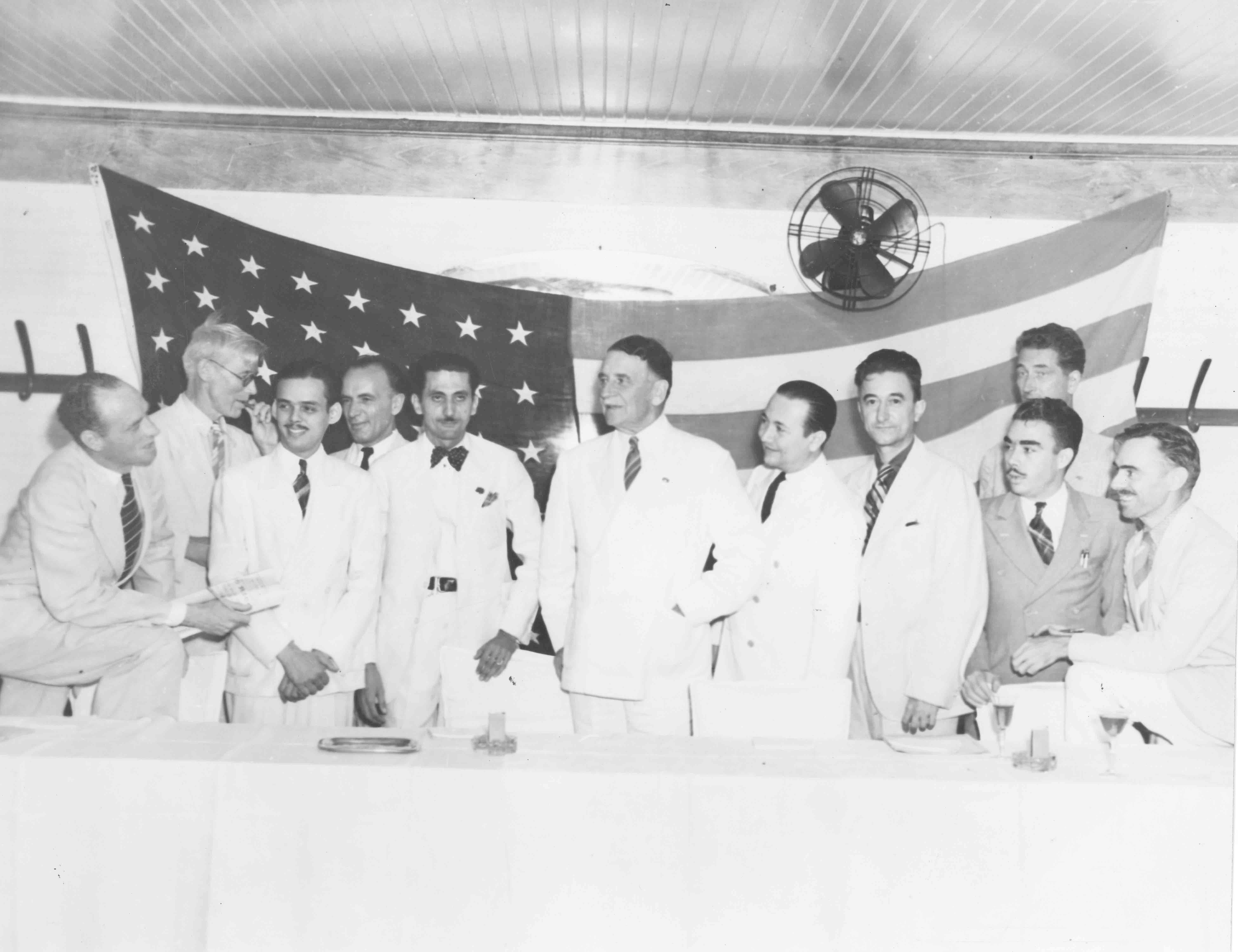
Governor Blanton Winship
The U.S. appointed colonial governor of Puerto Rico whose administration oversaw some of the most repressive years in the island’s modern history, including the persecution of independence activists and the events that culminated in the 1937 Ponce Massacre.